Why More Americans Feel Something Is Changing: Housing Pressure, Unstable Jobs, and the Quiet Shifts That Could Reshape Everyday Life by the End of This Year

I’m not an economist, a politician, or some kind of expert. I’m just an ordinary person who has been watching what’s been happening around me for the past few years. Maybe I’m wrong about some things, but the more I look at the direction everything seems to be going, the more it feels like something big is coming. And when I say big, I mean the kind of shift that could start changing how millions of Americans live their everyday lives by the time we reach the end of this year.
Let me explain why I think this way.
A few years ago, things felt different. Sure, there were always problems. Bills, stress, jobs, politics — that’s normal. But lately it feels like the pressure is coming from every direction at once. I have friends who used to feel financially stable who now say they’re barely keeping up with rent. I know people who work full-time jobs and still worry about whether they’ll be able to afford groceries next month.
The first thing that really started to make me think about this was housing.
I remember when buying a house used to feel like a realistic goal for a normal working person. My parents bought their home when they were young and had average jobs. Now when I talk to people my age, most of them don’t even consider buying a house possible anymore. Prices have gone up so much that even people with decent incomes are locked out of the market.
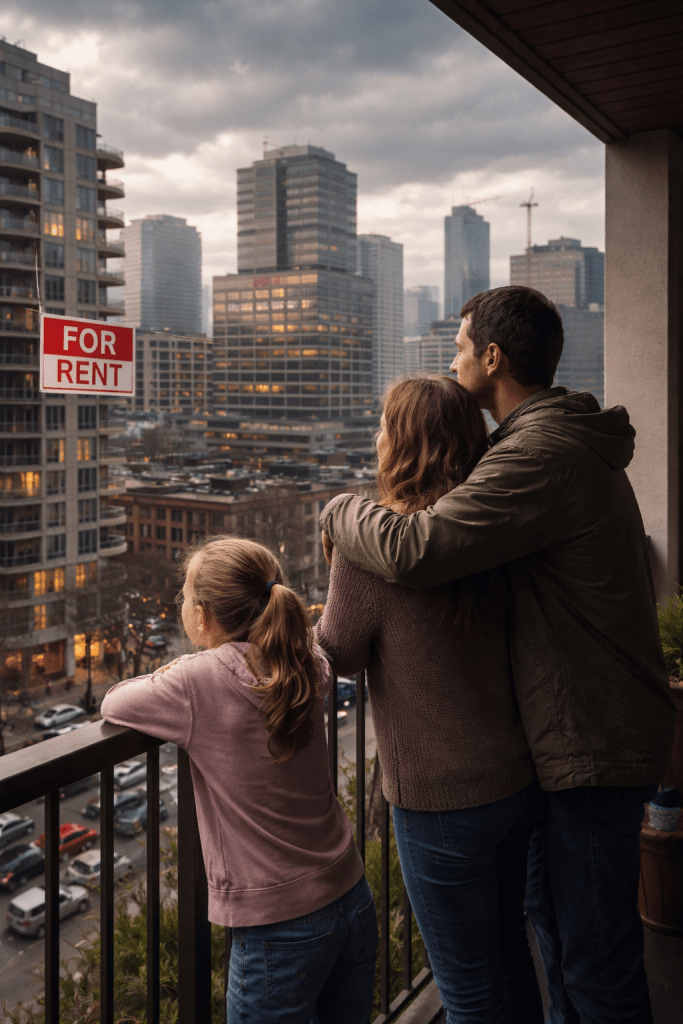
Rent isn’t much better either. Every year it seems to climb higher. I’ve seen people get priced out of apartments they’ve lived in for years. Some move back in with family. Others move to completely different states just to survive financially.
When you see enough of that happening around you, it starts to feel like something fundamental is shifting.
Then there’s the job situation.
On the surface, it might look like there are plenty of jobs. But the reality is more complicated. A lot of the “jobs” people are getting now are temporary, contract-based, or part of the gig economy. Driving, freelancing, short-term projects — work that doesn’t really offer long-term stability.
I’ve also noticed something else that people don’t talk about enough: automation and artificial intelligence.
Companies are slowly replacing tasks that used to require humans. Customer service is handled by bots. Stores are moving toward self-checkout and automated systems. Even certain office jobs are starting to be assisted or replaced by AI tools.
At first it happens quietly. One position disappears here, another there. But if this trend continues through the rest of the year, it could reach a point where large numbers of people suddenly find themselves
That’s when income security starts to disappear.
Another thing that worries me is the energy and infrastructure side of things.
People don’t really think about electricity until it goes out. But modern life depends completely on stable power systems. Everything from hospitals to banking to communication networks runs on electricity.
In the last few years we’ve seen more stories about power grids being strained during heat waves or storms. Some regions have experienced rolling blackouts. Others have had outages that lasted days.
Now imagine those kinds of problems becoming more frequent as energy demand increases and infrastructure ages. It doesn’t necessarily mean the entire country will suddenly go dark forever. But even repeated temporary disruptions could have serious economic consequences.
Businesses can’t operate without power. Remote workers can’t work. Supply chains stop moving.
When you connect all these pieces together — housing stress, unstable jobs, automation, and infrastructure challenges — you start to understand why some people believe that by the end of this year things could begin to look very different.
Of course, saying that “all Americans will lose their homes, income, and power by the end of the year” is obviously an extreme way of putting it. Reality is usually more complicated than dramatic headlines.
But the fear behind those statements comes from somewhere real.
A lot of people feel like the systems that used to provide stability are slowly eroding. Owning a home, having a long-term career, trusting that the lights will stay on and the economy will keep moving — these things used to feel guaranteed for many Americans.
Now they feel less certain.
Maybe what we’re seeing isn’t a sudden collapse, but a slow transformation. The kind that people only fully recognize after it has already happened.
And maybe the real question isn’t whether everything will collapse within a single year. Maybe the real question is whether we’re prepared for how different life could look if current trends keep accelerating.
I don’t claim to have all the answers. Like I said, I’m just someone observing what’s happening around me.
But when enough ordinary people start feeling like the ground beneath them is shifting, it’s usually a sign that something important is changing.
And right now, a lot of people have that feeling.
Prepare for real doom NOW not just tough times !